Modern technology meets ancient culture
In Israel, the very latest modern technology is used to locate ancient archaeological finds dating back over 1000 years.
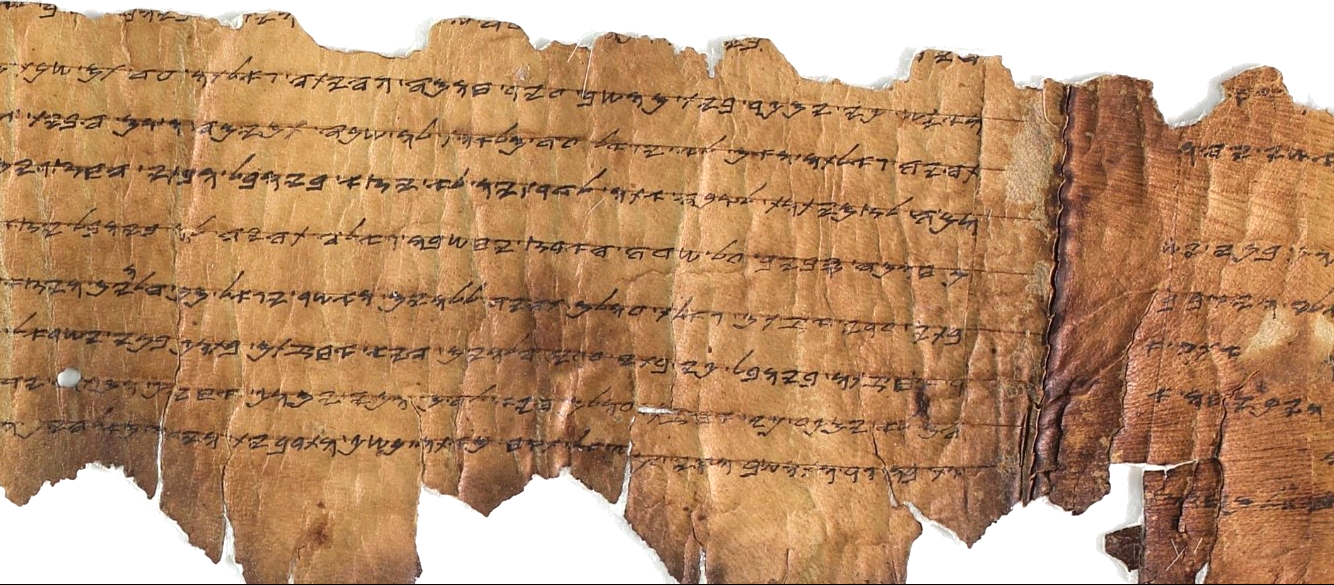
Using drones, high-tech equipment and rock-climbing gear, archaeologists have reached many “inaccessible” Qumran caves where the Dead Sea Scrolls (pictured) were found. Photo: Shai Halevi
Israel is an Eldorado for archaeologists. Here, the strata of world empires rest on top of each other showing traces of occupying powers – Assyrians, Babylonians, Persians, Greeks, Romans, Byzantines, Arabs, Crusaders, Mamluks, Ottomans and Britons. In every layer there are clear reminders of a substantial Jewish presence in the region, ever since Abraham arrived there approximately 4,000 years ago and even after Jerusalem became the capital of the Jewish people 1,000 years later. In Israel, modern technology is used to identify, preserve and interpret archaeological finds. A research group at Tel Aviv University has used artificial intelligence (AI) to study 2,700-year-old Hebrew inscriptions showing a surprisingly high level of literacy among the Jews of that time.
Drones and Hi-Tech
Other researchers at Tel Aviv University have developed a method for effectively detecting objects buried tens of meters underground, measuring temperature, using radio signals and measuring magnetism. These techniques are already in use in archaeological studies, but researchers have now developed an algorithm that combines the data. Since 2017, researchers have used drones to map hundreds of caves and cavities in the Judean Desert searching for finds that may be related to the Dead Sea Scrolls. Using drones, high-tech equipment and rock-climbing gear, archaeologists and volunteers have been able to reach many hitherto “inaccessible” caves, some of which have not been visited by humans for two millennia.