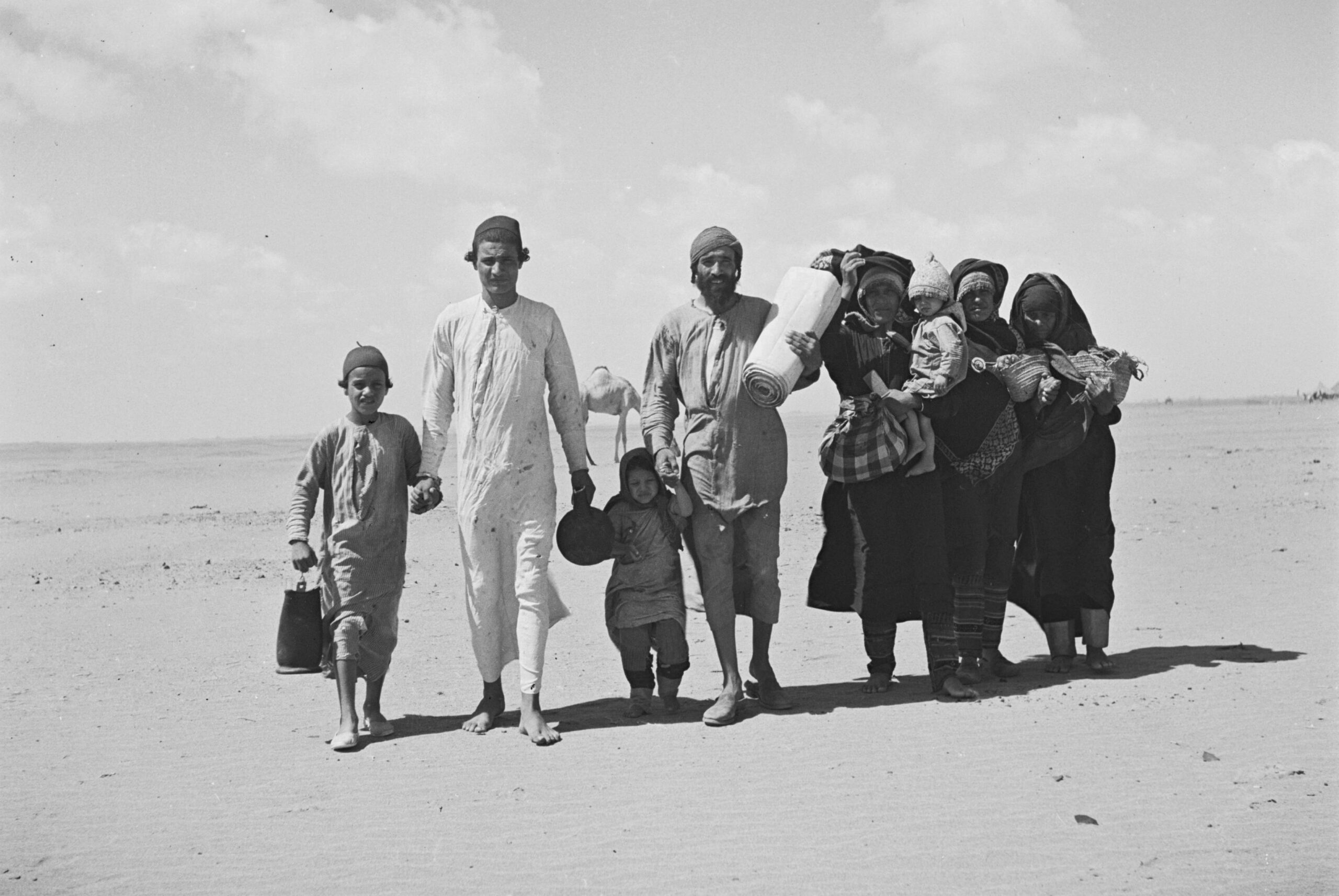
Although official recognition was limited, Iran and Israel cooperated on security, military matters, oil, and intelligence until 1979. This alliance, based on shared interests and Western orientation, was abruptly ended by the Islamic Revolution in 1979. Iran, which had formally recognized Israel in the 1950s, withdrew all formal recognition after the revolution.
Jews have lived in Iran since biblical times, when a large group of captives was taken away to Persia/Mesopotamia after Babylon conquered Judea and destroyed the First Temple in 586 BC. Many remained there even when other Jewish exiles returned after the Persian king Cyrus the Great permitted the rebuilding of the Temple in 538 BC.
For centuries, Jewish communities have existed in the country, and Persian Jews have maintained a continuous presence for more than 2,500 years. After the Islamic conquest in the 7th century, Jews became so-called dhimmis—protected non-Muslim minorities with certain rights but also restrictions and special taxes.
Shiite Islam Becomes State Religion
From the 16th century onward, Shiite Islam was established as the state religion, often leading to social discrimination and sometimes violence against Jews and other minorities. Between 1925 and 1979, most official discriminatory laws against Jews were abolished; they gained civil rights, could attend school, serve in the army, and run businesses.
Jews moved from traditional quarters (mahalla) to other neighbourhoods, attended universities, and became prominent in commerce, media, education, and medicine. In the 1940s, around 100,000 Jews lived in Iran, mainly in cities such as Tehran, Shiraz, Isfahan, and Hamadan.
After the founding of the Islamic Republic, many Jews chose to emigrate to the United States, Israel, and Europe, which led to a sharp decline in the Jewish population. Today, an estimated 20,000–25,000 Jews remain, most of them living in Tehran and Shiraz.
The Jewish presence in Iran is one of the longest in the diaspora, with its own traditions, linguistic forms, and cultural heritage.
Daniel, Esther, and Nehemiah
Well-known biblical figures who lived in exile in the Persian Empire include Daniel, Esther, and Nehemiah.
Daniel was one of the Israelites taken captive to Babylon in 605 BC. He interpreted King Nebuchadnezzar’s dreams, predicted Babylon’s fall, and later gained favour with the Persian king Cyrus when he captured Babylon in 539 BC.
Esther was a Jewish woman who, according to the Bible, became queen in the city of Susa in Persia by marrying King Xerxes I (Ahasuerus, 486–465 BC). She risked her life to save her people from an extermination plan led by Haman, an event that forms the basis of the Jewish holiday of Purim.
Nehemiah returned from Persia to Jerusalem in 445 BC with permission from King Artaxerxes to rebuild the city walls and serve as governor. When Nehemiah heard about Jerusalem’s ruined walls, he received permission, resources and an armed escort from Artaxerxes to return and rebuild.