Senior Volunteers help in southern Israel
Retired volunteers are now being offered the opportunity to move south for a year to share their skills and experience with those living near the Gaza border. Applications continue to roll in, even from abroad, and plans to integrate Hebrew-speaking Jews from the diaspora exist as well.
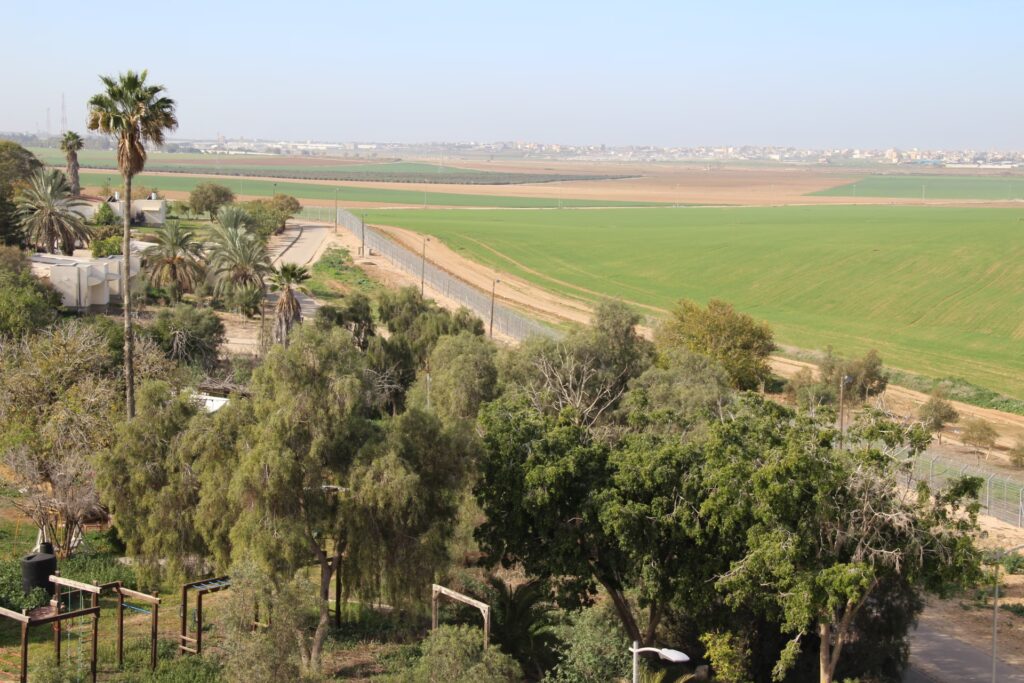
Apilot project underway in two communities near the Gaza border matches local needs with the experience and expertise of retirees. Tasks include renovating apartments, feeding animals at a zoo, or working with desert events in the Negev that coincide with the blooming of the red anemone, according to The Times of Israel.
Israel has already launched a program that allows young people to volunteer for 12 months before starting mandatory military service. However, this initiative is aimed chiefly at retirees who’ve chosen to move south for a year to offer their knowledge and experience to those living near the Gaza border.
Launched over a year ago
The idea came from a teacher, Rina Cohen, who retired but was not ready for a quiet life. Her team reached out to the regional authorities near the Gaza border, including Eshkol and Merhavim, who immediately specified the skills they needed. They also agreed to arrange housing contracts, pay for insurance and rent, and integrate the volunteers into professional roles.
The project was launched in January 2024, and by September, 44 volunteers had started working in the two regions.
Now, in February 2025, an additional 16 volunteers will start working in Sha’ar HaNegev. Most of them will be staying at Kibbutz Kfar Aza, one of the hardest-hit communities during the attacks in October 2023, according to The Times of Israel. Applications are still being submitted, and there are plans to integrate Hebrew-speaking Jews from the diaspora.
Closed Military Zone
On October 7, 2023, 15 people were murdered at Kibbutz Nahal Oz and seven were kidnapped. The kibbutz, located less than ten kilometers from the Gaza border, remains a closed military zone. Most of its residents are temporarily living in the nearby town of Netivot or at Kibbutz Mishmar HaEmek in northern Israel.
Volunteers have been clearing debris, maintaining gardens, and helping pack and remove belongings from 60 homes so they can be repaired. All work is supervised by a kibbutz member and involves the affected families. Another responsibility is feeding the few remaining animals in the kibbutz’s animal section.